We may earn a commission if approved. Always read terms before applying. 21+ years old only.
United Just Nerfed Basic Economy Miles (April 2026). Here’s the Grad-Student Workaround.
United is cutting mileage earnings on Basic Economy in April 2026 and nudging flyers toward its credit cards. Here’s how grad students can keep earning miles without spending more, using flexible points and smart Star Alliance crediting, including a Turkish Miles&Smiles workaround.
Giorgio Sarro
The Rich Grad Student
Starting April 2, 2026, United is changing MileagePlus in a way that hits grad students right where it hurts: cheap tickets. If you fly Basic Economy because it is often almost as cheap as low-cost carriers, United is now making that strategy feel “pointless” on purpose.
This post is about how to keep earning miles without letting United force you into spending more or opening a mediocre airline card.
What’s changing in April 2026
United’s new rules kick in for tickets issued on or after April 2, 2026.
1) Basic Economy: miles go to zero (for most people)
If you book United Basic Economy and you do not have United elite status or a United co-branded card, you will earn zero award miles. (1)
That’s the big one for grad students.
2) Regular tickets: you earn fewer miles than before
United is also reducing base earnings for non-cardholders on most paid fares. A common example reported across coverage: general members drop from 5 miles per dollar to 3 miles per dollar. (1)
3) United really wants you to get their card
United is pairing the earning cuts with new carrots for cardholders, including:
- higher earning rates for cardholders (often framed as up to about “double” vs non-cardholders), and
- discounts on some award tickets for cardholders
Why this matters for grad students (with one quick example)
Let’s say you buy a $200 Basic Economy ticket.
- Before (typical): you earned about 1,000 miles (5x on $200).
- After April 2, 2026: you earn 0 miles on Basic Economy (unless you have status or a United card).
- If you buy a regular fare instead, you might earn ~600 miles (3x on $200), which is still a cut.
This is United nudging you to either:
- pay more than you want to, or
- get their credit card, or
- both.
Why I still don’t love United credit cards for most grad students*
United cards can make sense for professionals who:
- fly United constantly,
- value a free checked bag every trip,
- already chase United status,
- or can actually use the perks enough to justify the annual fee.
But for most grad students, airline cards tend to be a trap:
- multipliers are usually narrow,
- the value is tied to one airline,
- and your “reward” is less flexibility, not more.
My default recommendation remains: earn flexible points first, then transfer to the airline that gives the best deal for the specific flight you are booking.
The higher-value move: flexible points, then transfer to whoever is cheapest
A good general travel card setup lets you:
- earn strong points on everyday spend,
- then transfer those points to the airline partner that prices your route best.
- Get 5-9x points on flights booked on the travel portal
And yes, you can still transfer points to United when it actually makes sense:
- Chase Ultimate Rewards can transfer to United MileagePlus.
- Bilt points can transfer 1:1 to United once accounts are linked.
But here’s the reality: I rarely find United to be the best-value program for the exact itinerary I want. For Star Alliance flights, you often do better by transferring to another Star Alliance program instead (Air Canada for instance).
My “final push” strategy: stop crediting United flights to United
United is in Star Alliance. That means you are usually free to credit many United-operated flights to a different Star Alliance frequent flyer program.
The program I use most: Turkish Airlines Miles&Smiles
Turkish has an extremely important detail for this April 2026 moment:
When you credit United flights to Turkish Miles&Smiles, many economy fare classes earn miles based on distance flown, and some earn 50% of flown miles. (2)
Turkish’s partner chart for United shows:
- Economy fare classes K, G, N earn 50% of flown miles
- Many other economy classes earn 75% or 100%
And United Basic Economy is often booked into fare class N (frequently listed as Basic Economy in United’s fare-class explanations).
So instead of earning 0 on United Basic Economy after April 2026, you may still earn something by crediting to Turkish, depending on your exact fare class.
What does “50% of flown miles” look like in practice?
- A short round-trip might net only a few hundred miles.
- A coast-to-coast round-trip can net a couple thousand. The key point is not the exact number. The key point is that it’s not zero anymore.

10k Turkish Airlines miles for nonstop economy Hawaii-Chicago (now 25k) - Photo credit: RGS
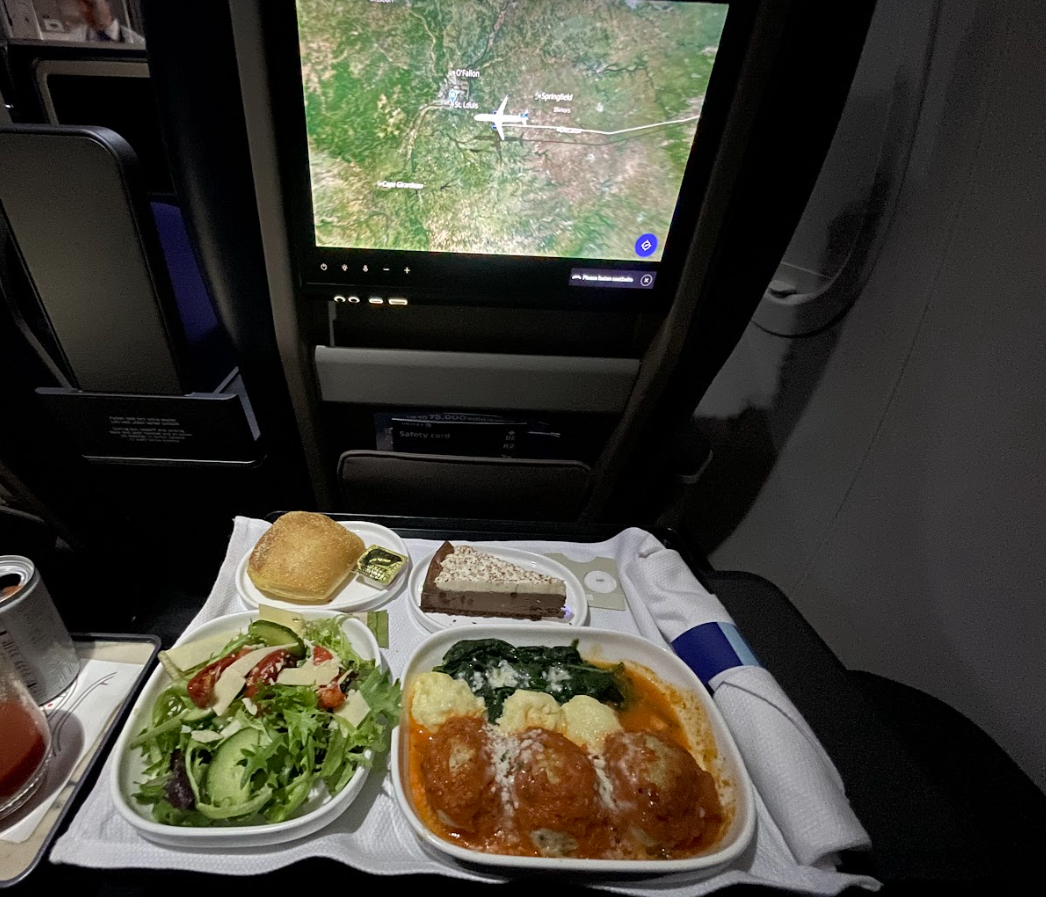
United First for 15k Turkish Airlines Miles (now 22.5k) - Photo credit: RGS
The grad-student status hack: Star Alliance Gold without insane spend
United status is built around Premier Qualifying Points and flights, and the top tiers are simply unrealistic for most grad student budgets. For example, Premier 1K can require 22,000 PQP + 60 PQF, or 28,000 PQP in a year. PQP being the actual dollar amount you spend on United.
By contrast, Turkish Miles&Smiles Elite (which maps to Star Alliance Gold) requires 40,000 Status Miles in the preceding 12 months, and Turkish states that upgraded status is valid for 2 years.
If you happen to have one or two international conference trips in a year, crediting those flights strategically can get you surprisingly far. I was lucky to achieve it last year.
Why Star Alliance Gold is such a big deal
In general, Star Alliance Gold provides lounge access (3) when traveling on a Star Alliance flight.
Now here is the nuance that matters:
- United’s own elites (like United Gold) do not get United Club access on purely domestic itineraries.
- Partner-issued Star Alliance Gold get access to United Clubs even on domestic flights in Basic Economy.

United Club at ORD (gates C) with Basic Economy domestic ticket! - Photo Credit: RGS
How to actually do this (simple checklist)
Step 1: Create a Turkish Miles&Smiles account
Free, quick.
Step 2: When you book United, add your Turkish number, not your United number
You can usually do this during booking, or afterward in “manage trip.”
Downsides and annoyances (read this before you commit)
This strategy is not perfect.
- Miles&Smiles miles expire (United miles do not).
- Award space can be limited, and booking partner awards can be more annoying than booking directly with United.
- You will not get United domestic first class upgrades just because you have Star Alliance Gold from another program.
- Turkish is devaluing too: Miles&Smiles used to be the cheat code. Domestic United awards were commonly 10k miles and now are often 15k, which makes redemptions less exciting. You can still come out ahead, but assume the rules will keep shifting.
So yes, it is a trade. But for a grad student who mostly buys Basic Economy, it is often a better trade than paying more or forcing a United card into your wallet.
My bottom line
United’s April 2026 changes are designed to punish the exact booking behavior most grad students rely on: cheap fares.
My response is simple: I’m not paying more just to earn miles. I would rather:
earn flexible points (so I can transfer to whoever gives the best deal), and
credit United flights to a Star Alliance partner program when that gets me back to earning miles on cheap tickets.
That keeps the freedom. That keeps options open. And it keeps United from changing the rules on my entire travel life overnight.
References
1) https://www.united.com/en/us/fly/mileageplus/whats-new.html#newmileearnrates
2) https://www.turkishairlines.com/en-us/miles-and-smiles/program-partners/airlines/united-airlines/?gclsrc=aw.ds&gad_source=1&gad_campaignid=18479864585&gbraid=0AAAAADpYxIhq5p9z1O1vG7dos9eYl4kR6&gclid=EAIaIQobChMIqMr79Z60kwMVGUpHAR1rOgCAEAAYASAAEgKPd_D_BwE
3) https://www.united.com/en/us/fly/travel/airport/lounge-access.html
Personal advice only. We are not a bank, lender, or financial advisor. Offers change, and banks do not endorse this content. Always read your cardmember agreement and fee schedule before applying or using any card. Use these recommendations at your own risk. You must be 21 years or older, and this website is not intended for undergraduate students. When you choose to apply (and are approved) for a credit card through our site, we may receive compensation from our partners, which may influence how or where these products appear. We only recommend products we genuinely believe benefit graduate students and decline offers that do not align with that goal.
Got an amazing redemption story? We'd love to hear it.